
"global fund"
300 article(s) found

International Coffee Organization contributes Coffee flavor Coffee Culture in Coffee extraction areas
Contribution Coffee International has made a special contribution to the world coffee industry through: (1) regular high-level meetings for government representatives to exchange views, coordinate policies and cooperate on coffee issues. (II) launch a coffee development project aimed at improving product quality and marketing tools and eliminating pests and diseases (to date, the total investment of the project has reached US $31 million, co-financed by commodities.

Rwanda Coffee Flavor treatment method
Rwandans have been growing coffee since colonial times, but until 1999, its products were still classified as below Class C and were not popular in the global market. The reason for the poor quality is that farmers do not have a fixed procedure for washing coffee beans and do not process coffee fruits according to specifications in time. Buyers buy coffee beans at $0.33 per kilogram, and farmers keep warm by the meagre profits earned at low prices.

Costa Coffee enters the Chinese Market what are the foreign coffee brands in China
At the end of 2006, Costa established Yueda Kashijia (Shanghai) Food and Beverage Management Co., Ltd. in Shanghai and opened its first store in China in Nanjing East Road pedestrian Street. In the second half of 2008, Costa established Hualian Kashijia Restaurant Management Co., Ltd. in Beijing, officially entered the Beijing market, and rapidly developed 43 chain stores in Beijing. April 2011, Wh
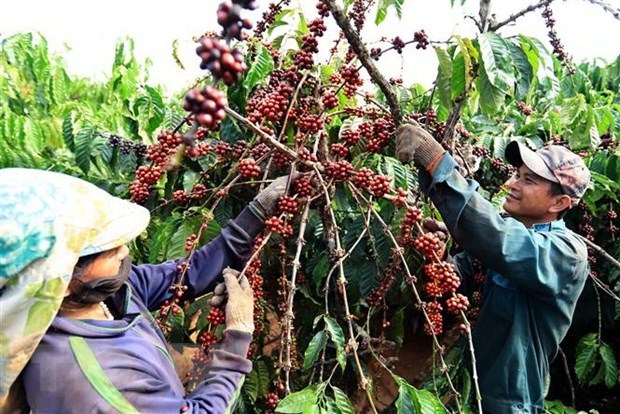
The present situation of coffee industry in Vietnam: the output of coffee in Vietnam is high but the price is low, which is due to the quality.
Professional coffee knowledge exchange more coffee bean information Please pay attention to coffee workshop (Wechat official account cafe_style) Vietnam is the second largest coffee producer in the world, but the value of coffee is not high. According to the Vietnam News Agency, Vietnam exports 1.5 million tons of coffee every year, but the coffee exported is mainly coffee beans, accounting for 90%. There are few high value-added coffee products.

Introduction to the flavor and taste characteristics of Malaba coffee in southern Rwanda
Rwandans have been growing coffee since colonial times, but until 1999, its products were still classified as below Class C and were not popular in the global market. The reason for the poor quality is that farmers do not have a fixed procedure for washing coffee beans and do not process coffee fruits according to specifications in time. Buyers buy coffee beans at $0.33 per kilogram, and farmers keep warm by the meagre profits earned at low prices.

Rwanda Coffee Flavor
Rwandans have been growing coffee since colonial times, but until 1999, its products were still classified as below Class C and were not popular in the global market. The reason for the poor quality is that farmers do not have a fixed procedure for washing coffee beans and do not process coffee fruits according to specifications in time. Buyers buy coffee beans at $0.33 per kilogram, and farmers keep warm by the meagre profits earned at low prices.

There is a new mode for cafes to join. Can you open the market?
Coffee hopes to accelerate its development in China in the next five years, establish a more perfect network of coffee cars, and join the catering industry to pass on the global brand concept to more domestic consumers. In addition, city operators can invest in and buy industrial funds. In addition to enjoying the fruitful results of large-scale operation in their respective regions, if there is such a coffee brand operation model, there are four as follows

Climate change threatens global coffee supply to wild coffee or extinction
The Australian non-profit Climate Research Institute (Climate Insititue) released a report this month warning that climate change will seriously endanger coffee supplies around the world. The report, entitled Storm in the making, details the impact of climate change on coffee farms and predicts future coffee supplies. The study predicts that temperatures will continue to rise by 2050.
Characteristics of coffee beans in Rwanda planting methods of coffee beans in Rwanda
Rwandans have been growing coffee since colonial times, but until 1999, its products were still classified as below Class C and were not popular in the global market. The reason for the poor quality is that farmers do not have a fixed procedure for washing coffee beans and do not process coffee fruits according to specifications in time. Buyers buy coffee beans at $0.33 per kilogram, and farmers keep warm by the meagre profits earned at low prices.

Is there anything special about the flavor of Fairtrade coffee? What is the way of Fairtrade coffee?
Professional coffee knowledge exchange more coffee bean information Please follow the coffee workshop (Wechat official account cafe_style) Coffee is the second largest commodity in global trade after oil, with tens of millions of people engaged in coffee cultivation, processing and trade. In Ethiopia, 1 / 5 of the country's population makes a living by growing or processing coffee, accounting for 65% of the country's total exports

Wang Han's dream of starting a business is in the time of a cup of coffee.
When it comes to the positioning of Dream chasing Network, du Mengjie is very clear: a crowdfunding site that focuses on young people's dreams. However, in the early stages of starting a business, he was wavering about the direction of the platform. Du Mengjie, founder of Dream chasing Network, uses a website to help 50,000 small partners realize their dreams. Junior Xiao Wen wants to have a rock party; Crayon Mushroom wants to open in Dali

The Historical Origin of Rwandan Coffee
Historical editors originate that Rwandans have been growing coffee since colonial times, but until 1999, its products were still classified as below Class C and were not popular in the global market. The reason for the poor quality is that farmers do not have a fixed procedure for washing coffee beans and do not process coffee fruits according to specifications in time. Buyers buy coffee beans at $0.33 per kilogram, which farmers earn at low prices.
Guatemala, the Global Coffee producer
Guatemala coffee, the world's coffee producer, once enjoyed a reputation as the best quality coffee in the world, but its quality also declined for a time. What is gratifying, however, is that its reputation is gradually being restored. In 1750, Father Jesuit introduced coffee trees to Guatemala, where the coffee industry was developed by German colonists at the end of the 19th century. Today, coffee

Boutique coffee Rwanda coffee origin Rwanda coffee practice
Rwandans have been growing coffee since colonial times, but until 1999, its products were still classified as below Class C and were not popular in the global market. The reason for the poor quality is that farmers do not have a fixed procedure for washing coffee beans and do not process coffee fruits according to specifications in time. Buyers buy coffee beans at $0.33 per kilogram, and farmers keep warm by the meagre profits earned at low prices.
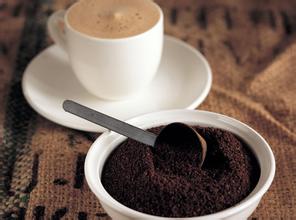
Fine coffee Rwanda Coffee characteristics introduction to Rwanda Coffee
Rwandans have been growing coffee since colonial times, but until 1999, its products were still classified as below Class C and were not popular in the global market. The reason for the poor quality is that farmers do not have a fixed procedure for washing coffee beans and do not process coffee fruits according to specifications in time. Buyers buy coffee beans at $0.33 per kilogram, and farmers keep warm by the meagre profits earned at low prices.

Fine coffee Rwanda coffee manor Rwanda coffee producing area
Rwandans have been growing coffee since colonial times, but until 1999, its products were still classified as below Class C and were not popular in the global market. The reason for the poor quality is that farmers do not have a fixed procedure for washing coffee beans and do not process coffee fruits according to specifications in time. Buyers buy coffee beans at $0.33 per kilogram, and farmers keep warm by the meagre profits earned at low prices.

For Rwandan coffee beans, it is better to buy raw beans or roasted beans.
Rwandans have been growing coffee since colonial times, but until 1999, its products were still classified as below Class C and were not popular in the global market. The reason for the poor quality is that farmers do not have a fixed procedure for washing coffee beans and do not process coffee fruits according to specifications in time. Buyers buy coffee beans at $0.33 per kilogram, and farmers keep warm by the meagre profits earned at low prices.
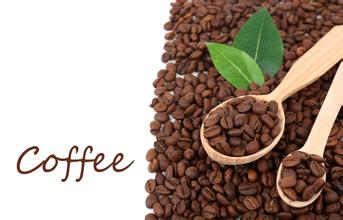
Boutique coffee Rwanda coffee flavor red apple, cherry, cinnamon, honey
Rwandans have been growing coffee since colonial times, but until 1999, its products were still classified as below Class C and were not popular in the global market. The reason for the poor quality is that farmers do not have a fixed procedure for washing coffee beans and do not process coffee fruits according to specifications in time. Buyers buy coffee beans at $0.33 per kilogram, and farmers keep warm by the meagre profits earned at low prices.

Introduction of washed Rwanda coffee beans classification of fine coffee
Rwandans have been growing coffee since colonial times, but until 1999, its products were still classified as below Class C and were not popular in the global market. The reason for the poor quality is that farmers do not have a fixed procedure for washing coffee beans and do not process coffee fruits according to specifications in time. Buyers buy coffee beans at $0.33 per kilogram, and farmers keep warm by the meagre profits earned at low prices.
Fine coffee Rwanda coffee treatment method washing, elevated scaffolding sun drying
Rwandans have been growing coffee since colonial times, but until 1999, its products were still classified as below Class C and were not popular in the global market. The reason for the poor quality is that farmers do not have a fixed procedure for washing coffee beans and do not process coffee fruits according to specifications in time. Buyers buy coffee beans at $0.33 per kilogram, and farmers keep warm by the meagre profits earned at low prices.